Brazil NOC holds a forum on match-fixing
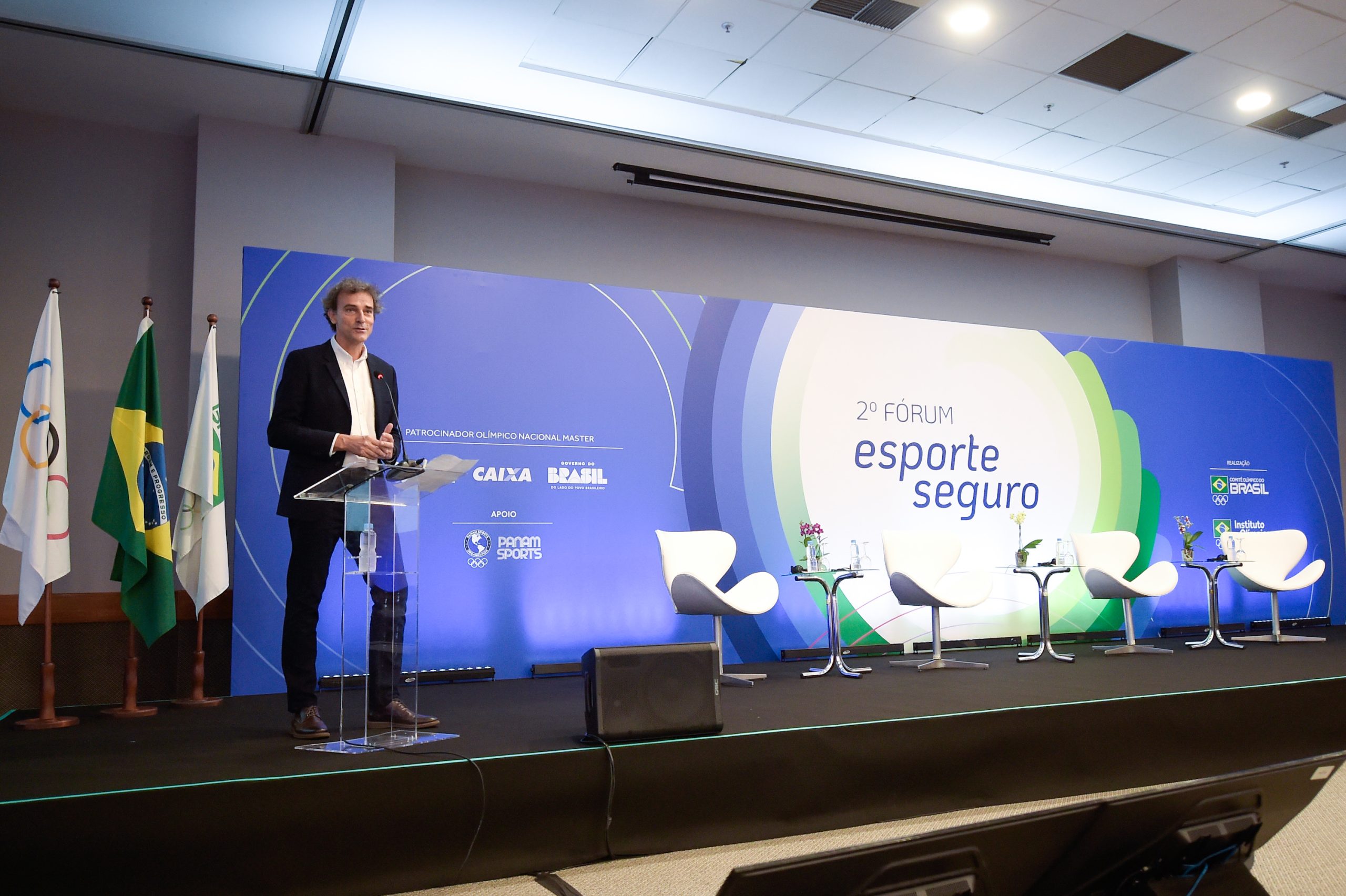
The Brazil Olympic Committee (COB), through its Safe Sport Program, takes an essential step in promoting responsible gambling. The second edition of the Safe Sport Forum brought together authorities, managers, former athletes, and experts to discuss how to prevent and combat match-fixing in Brazilian sport. Held on Wednesday, November 12thPois é, in Rio de Janeiro, the meeting promoted dialogue between organizations and discussed public policies and initiatives aimed at strengthening integrity in sport against match-fixing.
“Match-fixing is a critical issue that has been raised worldwide by all entities. At the COB, we are concerned with passing this knowledge on to our confederations, the entities that organize the sport, so that they understand the importance of this prevention. Sport must be ethical, transparent, legal, and fair”, analysed Emanuel Rego, former Olympic gold medal winner and general director of COB, reinforcing the educational role of COB in this theme.
Former Olympic athletes Rafael Silva, from judo, and Natalia Falavigna, from taekwondo, served as masters of ceremony for the event, which brought together approximately 160 representatives from National Confederations, Clubs, and partner Organizations. One of them was Giovanni Rocco Neto, National Secretary for Sports Betting and Economic Development at the Ministry of Sports, who emphasized the importance of collaboration in preventing match-fixing.
“The Ministry of Sport and the Brazil Olympic Committee, together, have much to contribute in building a culture of integrity in Brazilian sport by delivering knowledge to athletes and training them to understand the consequences if they choose match-fixing. So, the main mechanism is prevention. I believe that this cooperation between the Ministry and the COB can be very positive in protecting the integrity and future of Brazilian athletes,” said Giovanni.
In a video, Arthur Zanetti, an ambassador for the IOC’s “Believe in Sport” program, encouraged participants to ensure fair sports competition and emphasized the importance of raising awareness and educating athletes about the risks and consequences of competition manipulation.
On the agenda were crucial topics, including monitoring mechanisms, fraud prevention, athlete education, and the responsibilities of each institution. The program included lectures and roundtable discussions, featuring representatives from national and international entities.